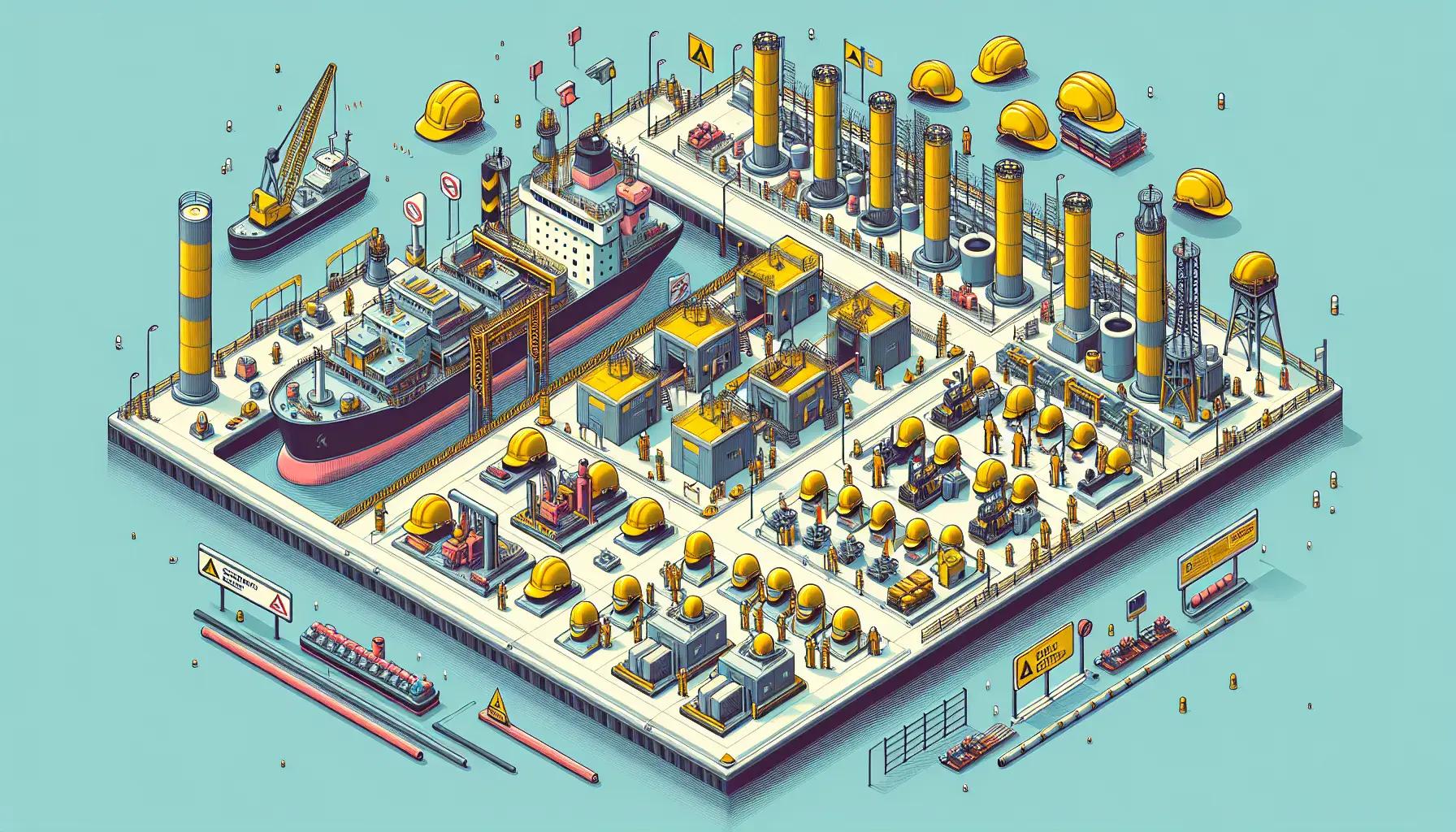

Shipyards are bustling hubs of activity, where safety must be paramount. This blog post delves into the essential safety protocols in shipyards, providing a comprehensive guide for those involved in this industry. We'll explore the various aspects of safety measures, from personal protective equipment to emergency response procedures, and everything in between.
Understanding the Importance of Safety Protocols
Safety protocols in shipyards are not just rules on paper; they are life-saving measures. They ensure the well-being of workers and the smooth operation of the shipyard. Without them, the risk of accidents and injuries increases exponentially.
In a shipyard, workers are exposed to a variety of hazards. These include heavy machinery, hazardous materials, high noise levels, and extreme weather conditions. Safety protocols are designed to mitigate these risks and provide a safe working environment.
The implementation of safety protocols also has a direct impact on productivity. A safe workplace is a productive workplace. When workers feel safe, they are more likely to be engaged and productive. Moreover, by preventing accidents and injuries, safety protocols help avoid delays and disruptions in operations.
Personal Protective Equipment (PPE)
Personal Protective Equipment, often referred to as PPE, is a critical component of safety protocols in shipyards. It serves as the first line of defense against workplace hazards.
PPE includes items like safety helmets, eye protection, high-visibility clothing, safety footwear, and gloves. Each piece of equipment is designed to protect a specific part of the body and is essential in preventing injuries.
For instance, safety helmets protect workers from falling objects, while safety footwear protects their feet from sharp objects on the ground. Similarly, high-visibility clothing ensures that workers are easily seen, reducing the risk of accidents.
It's important to note that PPE is not a substitute for other safety measures. Rather, it complements them. It's also crucial that workers are trained on how to use PPE correctly, as improper use can render it ineffective.
Safety Training and Education
Safety training and education play a pivotal role in promoting safety in shipyards. They equip workers with the knowledge and skills they need to work safely and respond effectively to emergencies.
Safety training should cover a wide range of topics, including the use of PPE, safe handling of hazardous materials, and emergency response procedures. It should also include practical exercises to allow workers to apply what they've learned.
Education, on the other hand, is about fostering a culture of safety. It involves raising awareness about the importance of safety and encouraging workers to take responsibility for their own safety and that of their colleagues.
Emergency Response Procedures
Despite the best safety measures, emergencies can still occur. That's why it's crucial to have robust emergency response procedures in place.
These procedures should outline the steps to be taken in the event of an emergency, such as a fire, chemical spill, or medical emergency. They should also specify the roles and responsibilities of different personnel during an emergency.
Regular drills are essential to ensure that everyone knows what to do in an emergency. They also help identify any gaps or weaknesses in the procedures, which can then be addressed.
Regular Safety Audits
Regular safety audits are a key part of safety protocols in shipyards. They involve a systematic review of safety measures to ensure their effectiveness and compliance with regulations.
Safety audits can identify potential hazards, non-compliance issues, and areas for improvement. They also provide an opportunity to reinforce the importance of safety and remind workers of their responsibilities.
It's important that safety audits are conducted by competent personnel and that their findings are acted upon promptly. This shows a commitment to safety and helps build trust among workers.
Continuous Improvement of Safety Protocols
Safety protocols in shipyards should not be static. They should evolve with changes in technology, regulations, and industry best practices.
This requires a commitment to continuous improvement. It involves regularly reviewing and updating safety protocols, seeking feedback from workers, and learning from incidents and near misses.
Continuous improvement also means being proactive rather than reactive. Instead of waiting for an accident to happen, shipyards should strive to identify and address potential risks before they become a problem.
Safeguarding Shipyards: The Way Forward
Safety protocols in shipyards are a vital part of ensuring the well-being of workers and the smooth operation of the shipyard. From PPE to safety training, emergency response procedures, safety audits, and continuous improvement, each element plays a crucial role. By adhering to these protocols and fostering a culture of safety, shipyards can provide a safe and productive working environment for their workers.