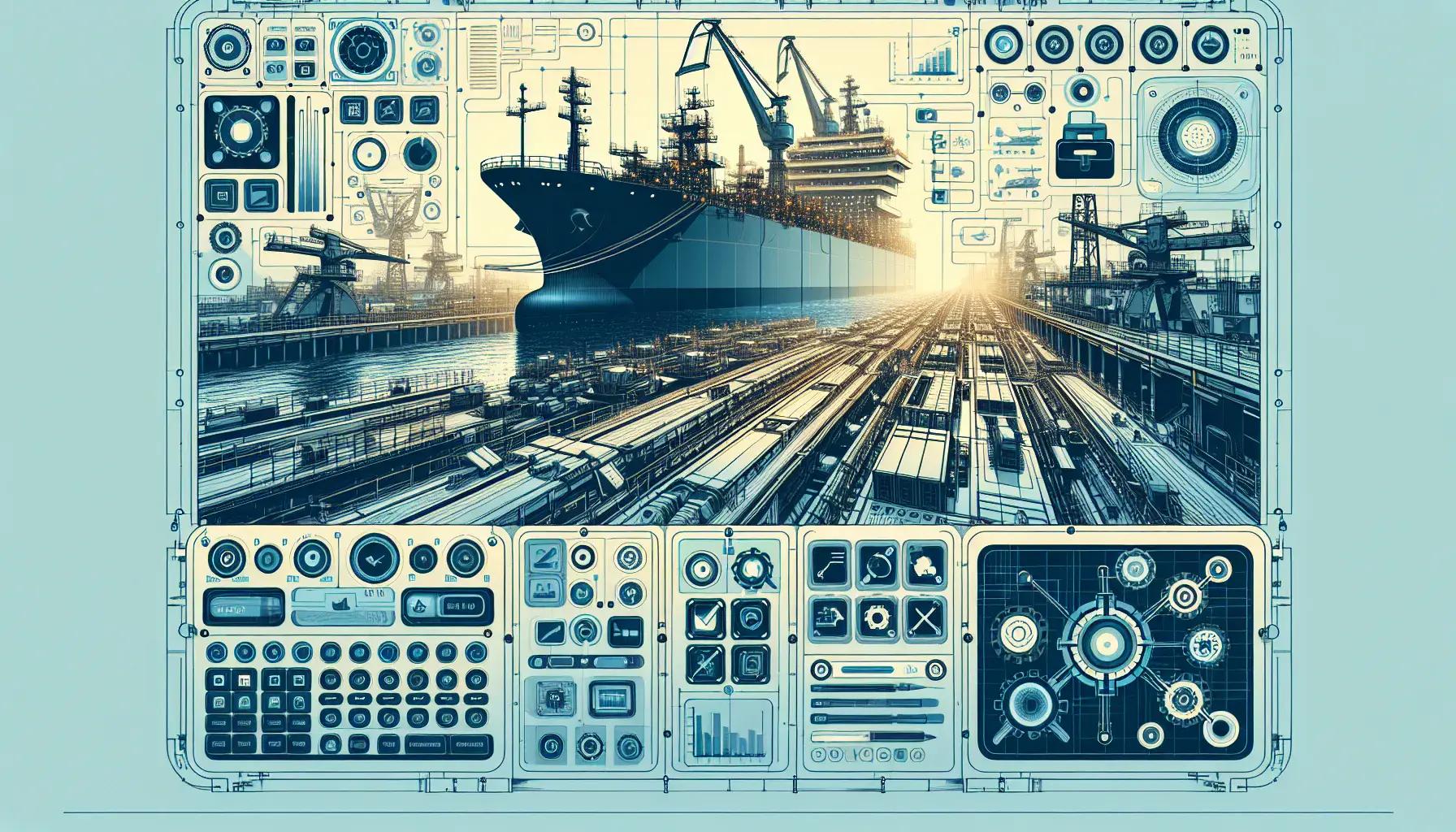

The shipbuilding industry, a cornerstone of global trade and defense, offers a wealth of career opportunities. This blog post aims to shed light on the diverse roles within this sector, from design and engineering to manufacturing and management. We will delve into the skills required, the potential for growth, and the unique benefits of pursuing a career in shipbuilding.
The Scope and Significance of the Shipbuilding Industry
The shipbuilding industry plays a pivotal role in global commerce and defense. It is responsible for the construction and repair of ships and other marine vessels. This industry contributes significantly to the economy, creating jobs and driving innovation.
The shipbuilding industry is a hub of diverse career paths. It offers opportunities for individuals with a wide range of skills and qualifications. From naval architects and marine engineers to welders and electricians, the industry needs a variety of professionals to operate efficiently.
The shipbuilding industry is also a significant contributor to technological advancement. It continually pushes the boundaries of design, materials, and manufacturing techniques. This constant innovation makes the industry an exciting place for those who are eager to learn and grow.
Career Paths in Shipbuilding
The shipbuilding industry offers a plethora of career paths. At the heart of the industry are the shipbuilders who physically construct the vessels. These skilled workers include welders, pipefitters, electricians, and many other tradespeople.
Naval architects and marine engineers are also crucial to the industry. They design the vessels and oversee their construction, ensuring that they meet all safety and performance standards. Project managers and supervisors oversee the entire process, coordinating the various teams and ensuring that projects stay on schedule and within budget.
The industry also needs professionals in supporting roles. These include human resources, finance, sales, and marketing. These individuals ensure that the business side of the industry runs smoothly.
Skills and Qualifications for a Career in Shipbuilding
The skills and qualifications required for a career in shipbuilding vary depending on the specific role. For hands-on roles such as welding or pipefitting, vocational training and certification are typically required. These individuals must also have good physical stamina and hand-eye coordination.
For roles in design and engineering, a degree in a relevant field is usually necessary. These professionals must also have strong problem-solving skills and a keen attention to detail. Project managers and supervisors typically need a combination of industry experience and leadership skills.
Regardless of the specific role, all professionals in the shipbuilding industry must have a strong work ethic and a commitment to safety. They must also be able to work well in a team, as shipbuilding is a highly collaborative process.
Growth and Advancement Opportunities in Shipbuilding
The shipbuilding industry offers excellent opportunities for growth and advancement. Entry-level workers can gain experience and skills on the job, potentially advancing to supervisory or managerial roles. Professionals in design and engineering can also advance their careers by taking on more complex projects or moving into leadership roles.
The industry also offers opportunities for continuous learning. As technology evolves, professionals in the industry must keep up with the latest advancements. Many companies offer training and development programs to help their employees stay at the forefront of the industry.
The Unique Benefits of a Career in Shipbuilding
A career in shipbuilding offers several unique benefits. One of the most significant is the opportunity to contribute to an industry that plays a crucial role in global commerce and defense. Professionals in the industry can take pride in knowing that their work has a direct impact on the world.
The industry also offers a high level of job security. As long as there is a need for marine vessels, there will be a need for shipbuilders. Additionally, the industry offers competitive salaries and benefits, making it an attractive choice for many professionals.
Preparing for a Career in Shipbuilding
For those interested in a career in shipbuilding, there are several steps to take. First, it's important to gain a solid understanding of the industry and the various roles within it. This can be done through research or by speaking with professionals in the field.
Next, individuals should pursue the necessary education or training for their desired role. This may involve attending a vocational school, earning a degree, or obtaining a certification. It's also beneficial to gain hands-on experience through internships or apprenticeships.
Finally, individuals should seek out job opportunities in the industry. This may involve networking, attending job fairs, or applying to jobs online. With the right preparation and determination, a rewarding career in shipbuilding is within reach.
Navigating Your Path in the Shipbuilding Industry
The shipbuilding industry offers a wealth of career opportunities for individuals with a wide range of skills and qualifications. Whether you're interested in hands-on work, design and engineering, or business operations, there's a place for you in this dynamic and vital industry. By understanding the industry, gaining the necessary skills and qualifications, and pursuing opportunities with determination, you can navigate your path to a rewarding career in shipbuilding.